Muscle Cars

Declan Kennedy
| 17-04-2026
 · Automobile team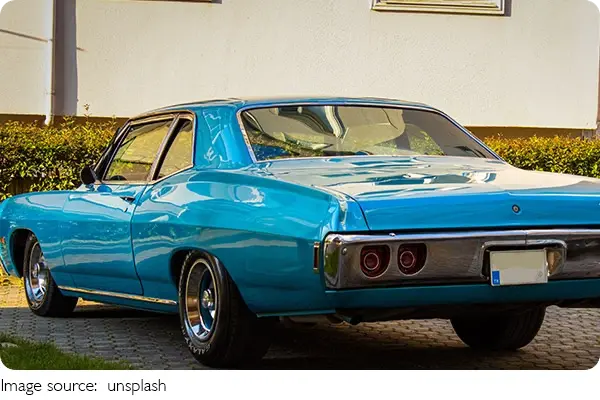
The muscle car era began in the late 1960s when American automakers sought to combine the power of larger engines with the style and performance of sportier vehicles.
Cars like the Ford Mustang, Chevrolet Camaro, and Dodge Charger emerged as the epitome of American automotive freedom, defined by their high horsepower, bold designs, and thunderous engines.
These cars weren't just about transportation—they were symbols speed, and power.
The golden age of muscle cars saw these vehicles become an integral part of American pop culture. They were featured in movies, music, and advertisements, embodying the spirit of the era. It wasn't just about performance; it was about making a statement.
The Golden Era: Icons of the 1960s and 1970s
During the 1960s and 1970s, muscle cars truly became iconic. The Chevrolet Corvette Stingray, Pontiac GTO, and Shelby Mustang GT500 were not only fast but also affordable for middle-class Americans looking for performance without breaking the bank. Their V8 engines, sleek designs, and aggressive stances made them highly desirable.
The Pontiac GTO is often credited as the original muscle car. Introduced in 1964, it set the standard for what would define the genre—big engines, stylish designs, and the ability to quickly accelerate. Muscle cars became synonymous with raw power, featuring high-displacement engines.
By the 1970s, emissions regulations and rising fuel prices began to temper the muscle car's dominance. Automakers started to focus on fuel efficiency and emissions control, leading to a significant decline in muscle car production and power output.
The Decline and Revival: Muscle Cars in the 1980s and 1990s
The muscle car era experienced a decline in the 1980s as gas prices soared, and stricter emissions regulations took effect. However, a few models like the Chevrolet Camaro and Ford Mustang continued to make their mark, albeit with less raw power. The cars were still muscular in appearance but lacked the same aggressive performance that defined the 1960s and 1970s.
The 1990s saw a revival of the muscle car as manufacturers began reintroducing models with more horsepower, though with a greater emphasis on fuel efficiency and modern technology. The Dodge Viper and Chevrolet Camaro Z28 made headlines with their performance and design. This revival was marked by a return to high-powered engines and an overall more refined muscle car experience, blending modern engineering with classic appeal.
Modern Muscle: Power, Technology, and Comfort
In the 21st century, muscle cars have evolved to blend traditional performance with cutting-edge technology and luxury. Modern muscle cars are more powerful, safer, and technologically advanced than their classic predecessors. Vehicles like the Ford Mustang GT500, Chevrolet Camaro ZL1, and Dodge Challenger SRT Hellcat feature supercharged V8 engines, offering horsepower ratings that surpass the classic models.
What sets modern muscle cars apart is the integration of high-tech features. Many now come with adaptive cruise control, Bluetooth connectivity, and advanced safety systems—luxury features that would have been unimaginable in the muscle cars of the 1960s and 1970s. These cars are designed for a new generation of drivers who want the thrill of the open road, but also expect comfort and convenience.
Moreover, automakers have invested in aerodynamics and lightweight materials to improve handling, while still maintaining that classic raw power. The result is a car that's just as capable on a racetrack as it is on the street.
Classic vs. Contemporary: A Comparison
When comparing classic muscle cars to their modern counterparts, the differences are immediately apparent. Classic muscle cars were all about simplicity: a powerful engine, a large frame, and a minimalistic interior. They were raw, visceral machines designed to make a statement with their sound and speed.
In contrast, modern muscle cars are far more refined, with advanced suspension systems, performance brakes, and multi-mode driving features that allow the car to adapt to different driving conditions. Modern muscle cars are also more environmentally conscious, with better fuel efficiency and lower emissions, thanks to improved engine designs and hybrid options.
However, while modern muscle cars may outperform their classic predecessors in terms of speed and handling, many enthusiasts argue that the charm of classic muscle lies in its simplicity and rawness. The roaring engines, the simple interior, and the thrill of driving without modern distractions are what make classic muscle cars timeless.
The Cultural Legacy of Muscle Cars
Muscle cars have had a profound impact on American culture. From their role in Hollywood films like Bullitt and The Fast and the Furious to their presence in music, these cars symbolize freedom, rebellion, and the American spirit. They represent a time when cars were not just modes of transportation, but expressions of individuality and power.
Today, muscle cars continue to hold a special place in car culture. Collectors and enthusiasts appreciate the history, craftsmanship, and sheer performance of these vehicles. Whether it's the classic roar of a Dodge Charger or the sleek design of a Chevrolet Camaro, muscle cars remain icons of automotive passion.
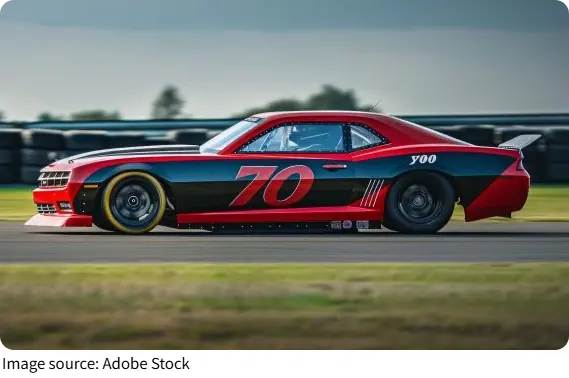
From their explosive debut in the 1960s to their modern reincarnations, muscle cars have come a long way. They may have evolved in terms of technology and performance, but the heart of the muscle car remains the same: power, passion, and the pursuit of the open road. Whether you're driving a vintage Shelby Mustang or a new Challenger Hellcat, the legacy of the muscle car continues to inspire.