Choose the Right Antifreeze

Owen Murphy
| 17-04-2026
 · Automobile team
You're driving on a cold winter morning, and suddenly, your engine starts overheating, or worse, freezing up.
That's a nightmare scenario that can happen if your antifreeze isn't up to the job.
Antifreeze is crucial in keeping your engine at the right temperature, especially in the winter months. But with so many options on the market, how do you choose the right one? Let's explore it.
Understand the Basics of Antifreeze
Before you dive into selecting an antifreeze, it's essential to understand its purpose. Antifreeze (also known as coolant) helps regulate your engine temperature by preventing it from freezing in cold weather and overheating in hot weather. It also helps protect your engine from corrosion.
Here's what you need to know:
- Freezing protection: In winter, antifreeze prevents the coolant in your radiator from freezing and causing damage to the engine block.
- Boiling protection: Antifreeze also raises the boiling point of the coolant, helping to keep the engine from overheating in the summer.
- Corrosion protection: The additives in antifreeze protect the metal components of your engine from rust and corrosion.
Having the right mixture of antifreeze and water (usually 50/50) is essential for these protections to work effectively.
Choose the Right Type of Antifreeze
There are several types of antifreeze on the market, and choosing the right one depends on your car's make and model.
The most common types are:
- Inorganic Additive Technology (IAT): This is the traditional green antifreeze that has been around for decades. It's generally used in older vehicles and provides basic corrosion protection.
- Organic Acid Technology (OAT): Usually orange or red, OAT antifreeze is more common in newer vehicles and lasts longer, typically around 5 years or 150,000 miles. It offers better protection against corrosion.
- Hybrid Organic Acid Technology (HOAT): This is a blend of IAT and OAT, often found in European and Asian vehicles. It's usually yellow or pink and provides a balance of protection.
Check your vehicle's owner manual to see which type of antifreeze is recommended.
Check the Color of Your Antifreeze
The color of antifreeze isn't just for looks—it actually helps you identify the type of coolant you're using. Most antifreeze comes in green, orange, pink, or yellow, but the color is more than a cosmetic feature. Different colors represent different types of antifreeze with varying additives for protection.
Here's how to know what you're dealing with:
- Green: Typically indicates IAT antifreeze, often used in older vehicles.
- Orange/Pink: Common for OAT antifreeze, typically found in newer cars, especially GM and Chrysler vehicles.
- Yellow/Gold: Generally signifies HOAT antifreeze, which offers both corrosion and freezing protection.
If your antifreeze looks murky or rusty, it might be time to replace it.
Check the Antifreeze Levels Regularly
Even the best antifreeze can lose its effectiveness over time. That's why checking the antifreeze levels regularly is crucial—especially in the winter months. If the level gets too low, your engine won't be properly protected from freezing, which can cause serious damage.
Here's how to check and top off antifreeze:
- Let the engine cool: Always check antifreeze levels when the engine is cool to avoid burns from hot coolant.
- Find the coolant reservoir: This is usually a translucent plastic container with “MIN” and “MAX” markings.
- Check the level: If the antifreeze level is low, add the recommended type of antifreeze to bring it up to the “MAX” line.
- Don't mix types: If you're topping off, make sure to use the same type of antifreeze that's already in the system to avoid chemical reactions that could damage the cooling system.
Be Aware of Antifreeze Expiry
While antifreeze doesn't “expire” in the traditional sense, it does lose its effectiveness over time. Old or degraded antifreeze can lose its ability to prevent freezing and corrosion. If you haven't changed your antifreeze in a while, it's a good idea to replace it before the winter season.
Here's how to tell if it's time for a change:
- Check the expiration date: Most antifreeze products have an expiration date or recommended replacement interval, typically every 2 to 5 years depending on the type.
- Test the antifreeze: You can purchase an antifreeze tester at an auto parts store. It checks the freezing and boiling point of your antifreeze to determine whether it still works as it should.
Know the Signs of Low Antifreeze
If you start noticing issues with your engine's performance, it could be a sign that your antifreeze levels are low or that it's no longer effective.
Here's what to look out for:
- Overheating engine: If your car is running hotter than usual or the temperature gauge is in the red zone, your antifreeze may be low or ineffective.
- Coolant light on: Most cars have a dashboard light that turns on when the coolant level is low.
- Sweet smell: A sweet smell coming from under the hood could indicate a coolant leak.
If any of these symptoms occur, check the antifreeze and top it off or replace it as needed.
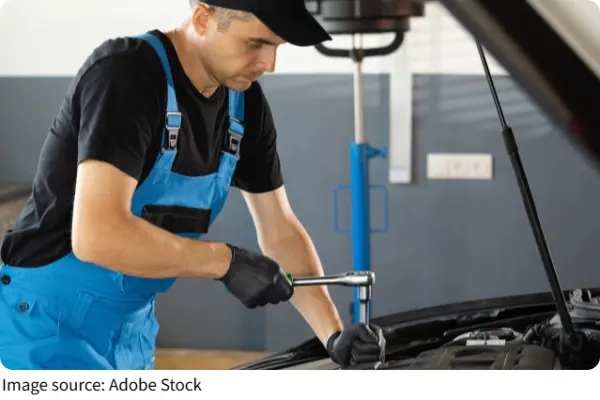
Choosing and maintaining the right antifreeze is essential for keeping your car safe and running smoothly during winter. By picking the right type, checking levels regularly, and replacing it when needed, you can protect your engine from freezing and corrosion. Taking these simple steps now will save you time, money, and frustration when the cold weather hits. So, get your antifreeze ready and drive with confidence this winter!