The Hydrogen Future

Mukesh Kumar
| 17-04-2026
 · Automobile team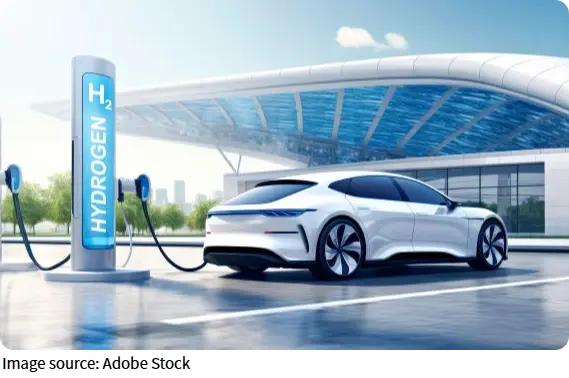
Watching a hydrogen fuel cell vehicle silently glide past on the highway can feel like a glimpse into the future.
Sleek, quiet, and emission-free, these cars hint at a world beyond gasoline.
However, beneath the futuristic appeal lies a complex web of technical hurdles and market questions that will determine whether hydrogen cars become a mainstream reality or remain a niche technology.
Current Market Landscape
Hydrogen vehicles have slowly carved a presence in the automotive world, yet they remain far less common than electric cars.
Limited adoption
As of recent reports, only a few thousand fuel cell vehicles are on the roads in early-adopting regions. High costs and sparse infrastructure limit broader consumer uptake.
Commercial interest
Automakers like Toyota and Hyundai have committed to hydrogen models, signaling confidence in long-term viability. Their fleets serve as test cases for performance, durability, and consumer acceptance.
Niche appeal
Early users often include fleet operators, luxury vehicle buyers, and environmentally conscious consumers willing to invest in emerging technology.
Actionable tip: For fleet managers considering low-emission options, pilot a small hydrogen vehicle program alongside electric vehicles to evaluate real-world performance and cost implications.
Technical Advantages
Hydrogen cars are often praised for specific strengths that distinguish them from traditional and battery-electric vehicles.
Fast refueling
Unlike battery EVs, hydrogen tanks can be refilled in 3–5 minutes, similar to gasoline vehicles. This quick turnaround suits commercial transport or long-distance driving.
High energy density
Hydrogen holds more energy per kilogram than conventional batteries, allowing longer ranges without significantly heavier systems. Some models achieve over 500 kilometers on a single tank.
Zero tailpipe emissions
Fuel cell vehicles emit only water vapor, supporting environmental goals and urban air quality improvements.
Actionable tip: When assessing vehicles for long-haul transport, consider hydrogen options if charging downtime for batteries is a limiting factor, balancing infrastructure availability with route planning.
Key Technical Bottlenecks
Despite advantages, hydrogen technology faces obstacles that slow adoption.
Production costs
Hydrogen is expensive to produce, especially green hydrogen generated from renewable energy. Industrial-scale electrolyzers and clean energy sources are still costly to implement.
Storage and transportation
Hydrogen's low density requires high-pressure tanks, specialized pipelines, or liquefaction for transport, adding complexity and cost. Safety protocols are strict but can discourage infrastructure investment.
Fuel cell durability
Current fuel cells can degrade after tens of thousands of kilometers, raising maintenance costs and reducing consumer confidence compared to long-lasting battery systems.
Actionable tip: Investors or policymakers should prioritize pilot projects that integrate renewable hydrogen production with storage and refueling stations, gradually addressing cost and durability concerns.
Infrastructure Challenges
Even the best vehicle is useless without a supportive network of refueling stations.
Sparse network
Most regions have only a handful of hydrogen stations, making ownership inconvenient or impractical outside urban corridors.
High construction costs
Installing hydrogen stations is significantly more expensive than EV chargers due to storage tanks, safety systems, and high-pressure equipment.
Public awareness
Consumers may hesitate to adopt hydrogen cars simply because they are unfamiliar with the technology and its fueling process.
Actionable tip: Encourage local governments and energy companies to co-invest in small clusters of hydrogen stations along key transport corridors, improving usability and consumer confidence.
Future Outlook
Hydrogen vehicles are positioned as a complementary technology rather than a direct replacement for battery-electric cars.
Strategic applications
Long-distance trucking, buses, and niche passenger vehicles could benefit most, where fast refueling and long range are crucial.
Technological evolution
Advances in fuel cell efficiency, low-cost hydrogen production, and tank materials could reduce costs and broaden appeal.
Market growth
With coordinated infrastructure investment and regulatory support, adoption could steadily increase, especially in regions committed to decarbonizing transport.
Actionable tip: Consumers interested in future mobility can follow developments in hydrogen fleets, evaluate government incentives, and stay informed on infrastructure expansion to make timely decisions.
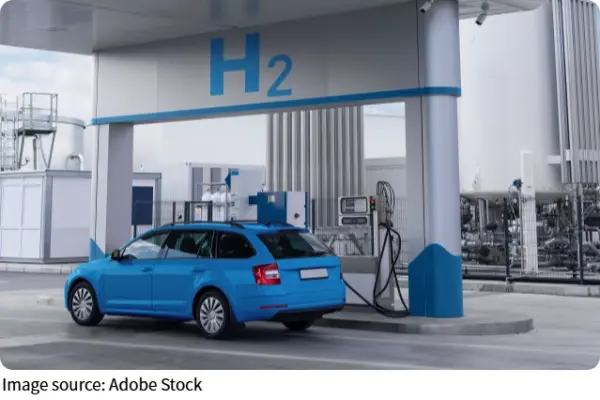
Hydrogen fuel cell vehicles combine exciting potential with practical challenges. While their environmental benefits and long-range capabilities are clear, high costs, limited refueling networks, and technical constraints slow widespread adoption.
By understanding these strengths and weaknesses, consumers, businesses, and policymakers can make informed decisions, supporting projects that gradually integrate hydrogen into the transport ecosystem.
The road ahead is long, but with targeted investment and innovation, fuel cell technology could play a vital role in a cleaner, more versatile automotive future.