ACC Explained

Mukesh Kumar
| 16-04-2026
 · Automobile team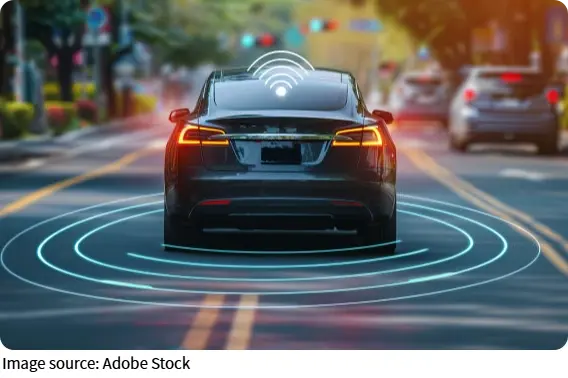
Lykkers, have you ever wondered what adaptive cruise control (ACC) really does? After years of driving from basic vehicles to today’s radar-and-camera-packed smart cars, we’ve seen technology change the way we drive worldwide.
More new vehicles now come with ACC, usually labeled on the dashboard as “ACC.” Some drivers over-rely on it, thinking it’s a magic helper, while others avoid it entirely, fearing it’s unreliable.
Traditional cruise control is like a fixed “invisible throttle lock.” We set a speed, say 80 km/h, and the car maintains it regardless of traffic. We must brake ourselves when slower vehicles appear. ACC, on the other hand, acts like a smart co-pilot. It controls speed while monitoring the car ahead with radar and cameras.
Here’s how it works: we set a maximum speed, for example, 100 km/h, and choose a preferred following distance. Once activated, the car accelerates to that speed. If a slower vehicle appears, ACC gently reduces speed to match it. When the front car accelerates or moves away, our car automatically returns to the set speed. Remember, ACC assists, it does not replace our hands on the wheel.
The “Eyes and Brain” Behind ACC
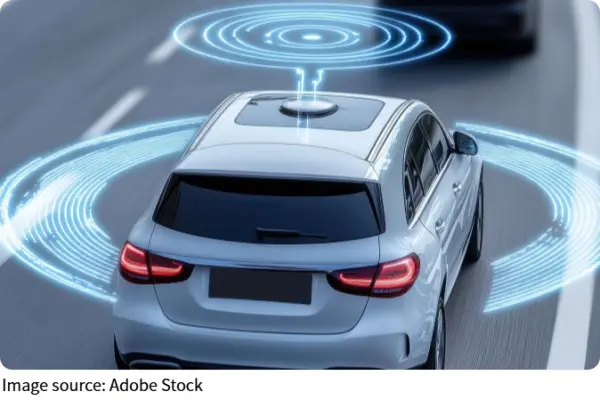
The system relies on two key components: radar and cameras. Millimeter-wave radar, usually behind the front emblem or bumper, measures distance and speed relative to other vehicles. It works in rain or fog and acts as the system’s backbone. Cameras, mounted behind the rearview mirror, detect lane markings, vehicles, and pedestrians, acting as auxiliary eyes.
All this data feeds into the car’s computer (ECU), which processes information in milliseconds, instructing the engine, transmission, and brakes to adjust speed automatically.
Pro tip: keep these “eyes” clean. Dirt, snow, or ice on the radar or camera area can make ACC “blind” or trigger errors. A quick pre-drive check ensures reliable operation.
When We Should Use ACC: The Golden Scenarios
Based on years of driving experience, ACC is most beneficial in:
1. Highways and Motorways: ACC performs best on long stretches of highway with minimal interruptions. Clear lanes and predictable traffic make it ideal for reducing fatigue from frequent acceleration and braking.
2. Urban Expressways or Ring Roads: On controlled-access urban roads with steady traffic, ACC can follow vehicles automatically, allowing us to relax our right foot while staying alert for sudden changes.
3. Long-Distance Travel: During extended drives, ACC acts as an energy buffer. It gives some physical relief, reduces stress, and keeps us more alert for unexpected traffic events.
When We Must Be Cautious or Avoid ACC
Technology can be a powerful tool. Misuse can be dangerous. Avoid ACC in:
1. Busy, Unregulated Urban Streets: Intersections, pedestrians, cyclists, and unpredictable vehicles make ACC unreliable. It cannot anticipate sudden movements like someone stepping out or a vehicle cutting in.
2. Curvy or Mountain Roads:Sharp turns can confuse radar and cameras, possibly causing incorrect acceleration or braking and affecting stability.
3. Severe Weather: Heavy rain, snow, or fog can block sensors or reduce signal accuracy. Slippery surfaces can also reduce braking effectiveness.
4. Poorly Marked or Unmarked Lanes: ACC relies on clear lane markings, especially when integrated with lane-keeping systems. Construction zones or worn-out roads may cause the system to disengage or behave unexpectedly.
Mastering ACC: Be the Driver, Not the Follower
Here’s expert advice to use ACC wisely:
1. Read the Manual: Before using ACC, understand its capabilities, limits, and following distance settings.
2. Stay Vigilant: Our eyes are the system’s “third and most advanced eye.” Always monitor traffic and anticipate risks.
3. Foot Ready on Brake: Even when ACC controls speed, keep our right foot near the brake to intervene. Never rely on ACC for emergency braking.
4. Test in Safe Areas: Try ACC on familiar, safe roads first to understand acceleration and braking behavior, building confidence while recognizing its limits.
Use ACC Smartly, Drive Safely
ACC is an excellent companion for long highway journeys and heavy traffic, reducing repetitive footwork and increasing comfort. It remains a supportive tool—a capable co-pilot with limits. Responsibility for the steering wheel and road safety stays fully with us. By using ACC wisely and avoiding risky situations, we can harmonize with technology, making every drive safer and more relaxed.
What Is: Adaptive Cruise Control?
Video by Autotrader