Flexible Car Spaces

Ethan Sullivan
| 16-04-2026
 · Automobile team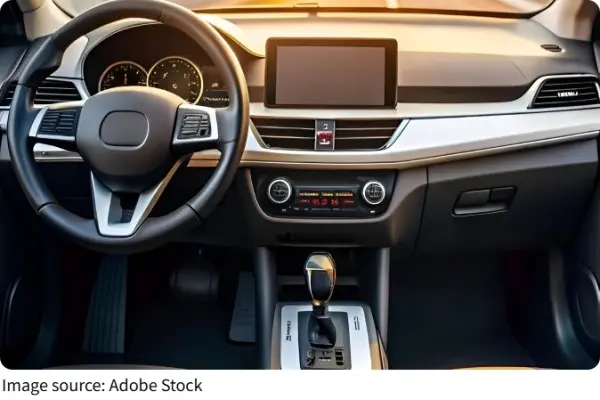
You hop into your car after a long day, and instantly wish the interior could adjust to your mood—more legroom for relaxing, a workspace for last-minute emails, or extra cargo space for groceries.
Modern vehicle interiors are embracing flexible layouts to turn that wish into reality, making every ride more versatile and user-friendly.
Modular Seating for Every Situation
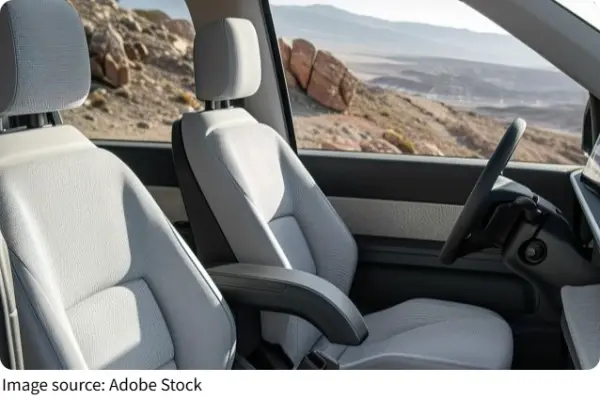
Flexible seating is at the heart of multi-functional interiors. Seats that slide, fold, or rotate allow drivers and passengers to customize space according to the journey's needs.
Practical ways to use it:
1. Rotate rear seats to create a face-to-face conversation area for family or colleagues.
2. Fold down a middle row to accommodate larger items like sports gear or luggage.
3. Adjust seat height and recline for personalized comfort on long trips.
For example, a small team on a business trip rearranged seats to create a mini meeting space inside the vehicle, keeping everyone engaged while commuting.
Expandable Storage Solutions
Multi-functional layouts aren't just about seating. Smart storage compartments adjust to hold a variety of items, making organization effortless.
Tips for optimizing storage:
1. Use expandable drawers for groceries or delicate items to prevent shifting during transit.
2. Transform hidden compartments into device charging stations or small work desks.
3. Adjust cup holders, trays, and bins to accommodate larger bottles or equipment.
A weekend traveler secured hiking gear, picnic supplies, and personal bags in different adjustable compartments, keeping everything accessible and clutter-free.
Convertible Work and Leisure Zones
Cars with multi-functional interiors can transform between leisure and productivity modes. Fold-out desks, built-in screens, and adjustable lighting allow passengers to switch roles on the go.
How to make it work:
1. Deploy a foldable desk for laptop use without taking up permanent space.
2. Rotate or conceal screens when entertainment isn't needed.
3. Create private zones with personal lighting and climate settings for concentration.
For instance, a passenger used a retractable tray and seat rotation to work on reports while the driver enjoyed a clear view of the road, making productive commuting possible.
Optimized Climate and Comfort Settings
Adjustable layouts also integrate comfort systems. Climate, airflow, and seat support adapt to each passenger, ensuring everyone stays comfortable regardless of weather or seating configuration.
How to apply it:
1. Set individualized temperature zones for different passengers.
2. Activate ventilated or heated seats automatically depending on weather conditions.
3. Adjust lighting to reduce glare or create a relaxing atmosphere for longer rides.
A family driving across the country set the front seats cooler for alertness, while the rear row stayed warmer and cozy for children napping during the journey.
Making Daily Commutes Smarter
The true advantage of multi-functional interiors is their adaptability to daily life. From commuting to weekend trips, these smart layouts allow vehicles to function as office, lounge, or cargo space—all without sacrificing comfort or safety.
Actionable advice:
1. Familiarize yourself with each seating and storage mode to switch quickly when needed.
2. Use pre-set interior profiles for regular routes, saving time on adjustments.
3. Invest in modular accessories, like attachable trays or sliding partitions, to maximize versatility.
By combining modular seating, expandable storage, convertible zones, and personalized comfort systems, flexible car interiors turn every ride into a tailored experience. Whether it's work, family time, or transporting gear, smart layouts ensure your car adapts to your lifestyle seamlessly.